

To the page content

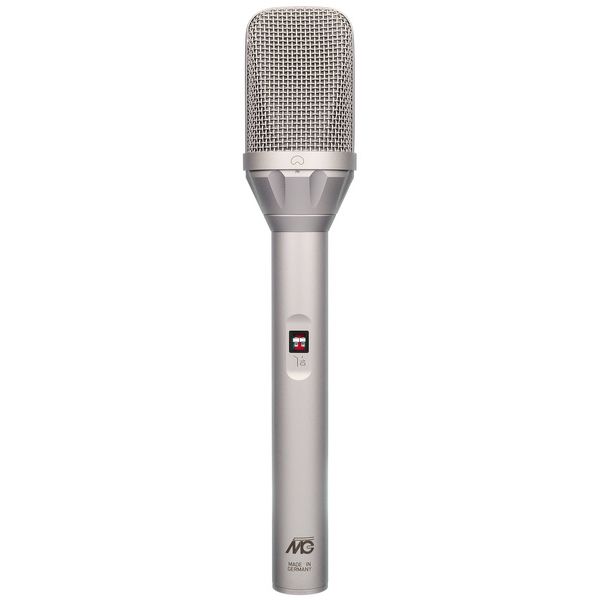
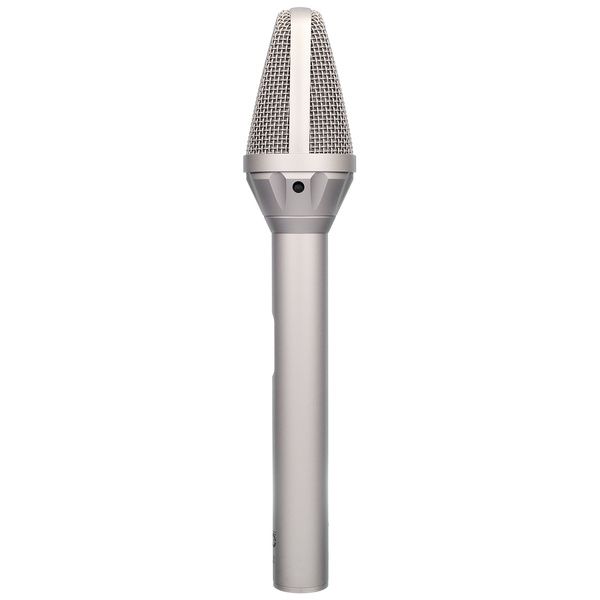
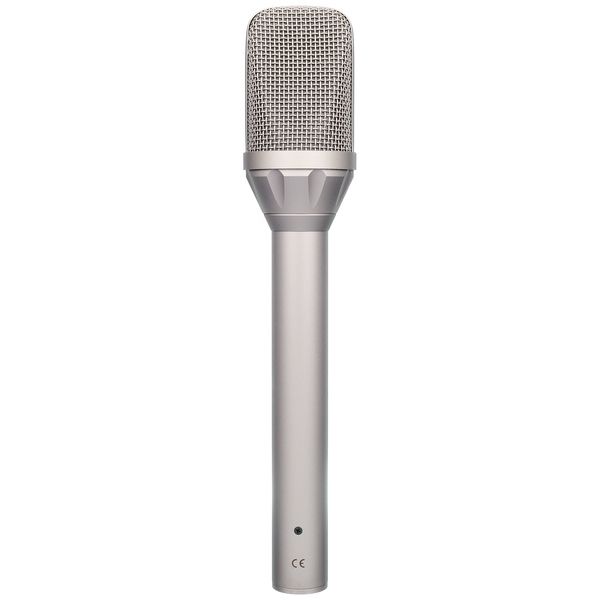
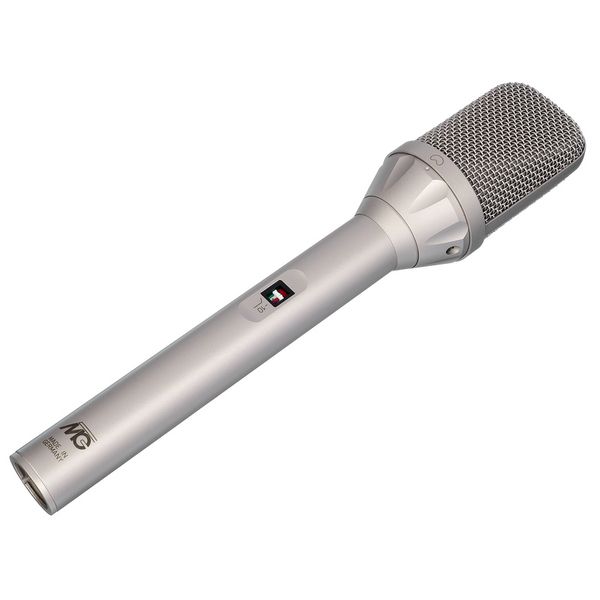
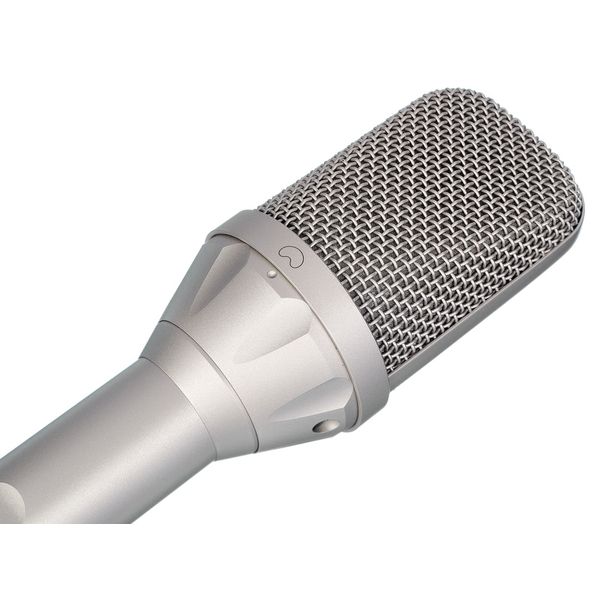
Microtech Gefell MT 71 S Satin Nickel

Large Diaphragm Condenser Microphone

  • Based on a proven large diaphragm capsule with excellent transmission characteristics, high sensitivity and high signal-to-noise ratio
  • Provides clean and coloration-free sound for a wide range of applications from speech and vocal recordings to instrument miking and support microphones in stereo and multi-channel setups
  • Transformerless output for low inherent noise and high dynamic range
  • Switchable 10 dB pre-attenuation for very high-level sources
  • Switchable low-pass filter to compensate for the proximity effect
  • Polar pattern: Cardioid
  • Acoustical operating principle: Pressure gradient transducer
  • Frequency range: 20 - 20,000 Hz
  • Sensitivity: 13 mV/Pa at 1 kHz
  • Nominal impedance 150 ohm
  • Equivalent noise level: 14 dB A-weighted
  • Signal-to-noise ratio: 80 dB A-weighted
  • Maximum sound pressure level: 134 / 144 dB at 0.5% THD
  • Dynamic range: 120 dB
  • Power supply: 48 V phantom power
  • Power consumption: 3 mA
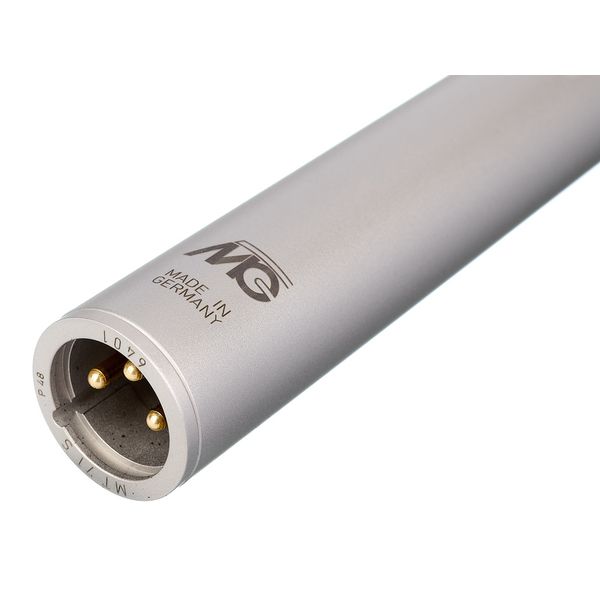
  • Connector: XLR3M
  • Dimensions (L x Ø ): 217 x 42 / 21 mm
  • Weight: 285 g
  • Colour: Nickel, matte
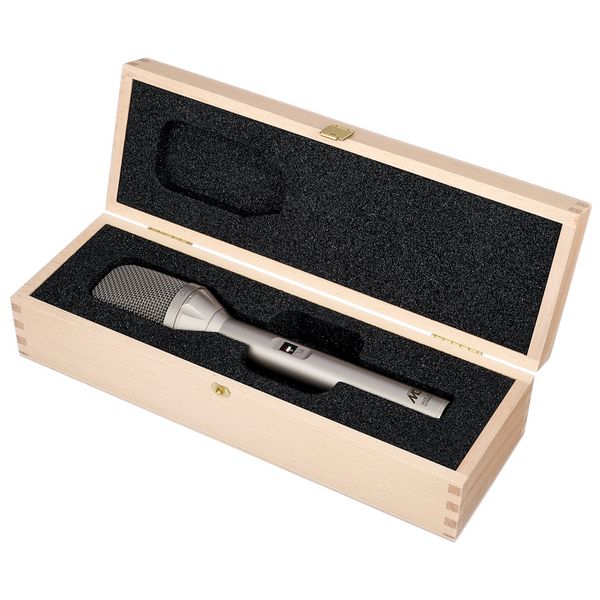
  • Includes MT 71 S and wooden case
  • Item number 105823
  • Sales Unit 1 piece(s)
  • Tube No
  • Switchable Polar Pattern No
  • Omnidirectional No
  • Cardioid Yes
  • Figure-8 No
  • Low Cut No
  • Pad No
  • shockmount included No
  • USB Microphone No
1.444 €
All prices incl. VAT
In stock
1
MM
Excellent Home Studio Microphone for Voice Over
Mark Mullens 04.10.2026
Professional voice actor here. I bought this microphone as a replacement to my Neumann TLM103. I've used it for over a month before writing this.

Positives:
1. Neumann sound but more suitable voice over sound vs TLM103.
It has a richer mid-range, less brittle top-end and the low-end roll-off is useful when being closer to the microphone, which is much more likely in a home studio. I enjoy the sound I get out of it. I really hated my sibilance on the TLM103. The MT71S doesn't cure sibilance, but I find that sibilance and mouth noises (while still captured) don't bother me as much. It is not a de-esser, though.

I do like to bring some bass back in EQ, but the result is still a tidier low-mid range (definitely useful for home-studio use). It is VERY nice sounding up-close.
For the genres I do (commercial, corporate), bass and low-mids are almost always going to get cut out. This already has it built-in. If you do your own long-form narrations, elearning, etc I'd add a bit of bass back with EQ and/or position the microphone so that it captures chest resonance more. It will still produce a cleaner, tighter bass than a lot of microphones I've heard.

2. Beautiful, smaller shape makes it much, much easier to mount and position. I'm using the same microphone mount I'd use for my Sennheiser MKH416. Neumann (and Gefell) mounts are criminally expensive, wide and very bulky. Long-term this means less sagging mic stands and more secure placement. This means you can also position it in different places to get different sound. Again, this makes it a more suitable home-studio mic as we're less likely to have large, heavy-duty mic stands.

Main negatives are:
1. Noise-floor is a little higher which make it less ideal for low-volume recordings and ASMR. This does not affect me but it is a knock against it.
2. The switches are useful, but require a tool to use. This microphone is already bass-light so the HPF is useless to me. The -10dB pad is nice to-have, but given that I can't just switch it with my finger it becomes not usable mid-performance. It's better than nothing if you don't have a pad switch on your audio interface, but my Neumann MT48 already has one.

Neutral: Narrower cardioid than the TLM103. This could be viewed as a positive or negative depending on how much you move, but I very much recommend recording "head-on" and not at an angle. I find that with the TLM103 I can move around a tiny bit more. It's not really a good or bad thing, just something to keep in mind.

Some additional things to consider:
Given the "cleaner" low-end, you might want to consider pairing this with a preamp that adds some low-mid saturation. I haven't tried this personally but I wouldn't be surprised if it turns out to be a great pairing. I'd love to try this with a Neve 1073, assuming it's not too colourful for voice over.

TL;DR Exceptional sounding microphone, great sound for home studio given it's bass-light tone naturally cuts out problematic frequencies. Very easy to position due to it's narrow profile.
0
0
Report

Report